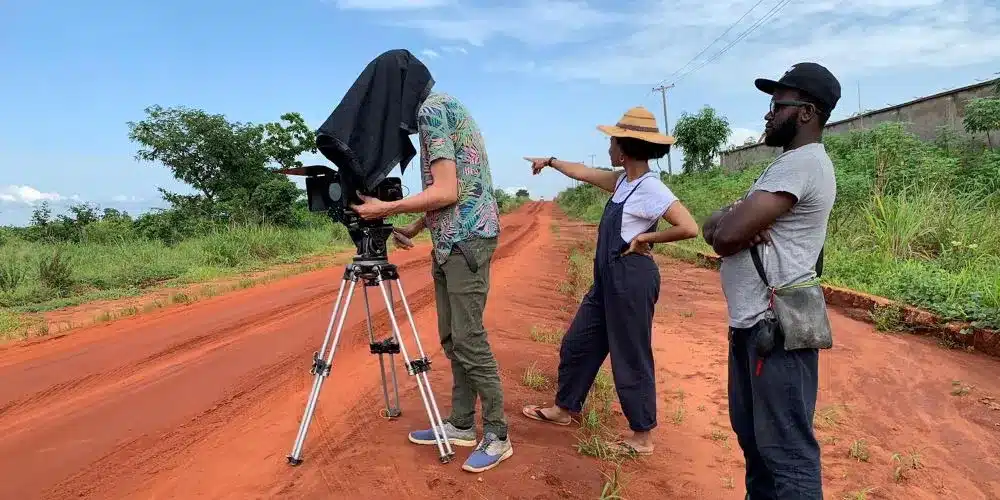
Filming in Nigeria: The Complete Guide to Permits, Visas & Production Support
Quick Answer
Filming in Nigeria means working with Africa’s largest film industry Nollywood produces roughly 2,500 films a year backed by a deep, English-speaking crew base and locations ranging from Lagos’s megacity energy to mountains, waterfalls, and savannah. Foreign productions need a filming permit (issued by the Lagos State Film and Video Censors Board in Lagos, or the Nigerian Film Corporation elsewhere), plus a business visa or work permit. Compared to Ghana’s slower, still-forming incentive framework, Nigeria offers a far more established production ecosystem, though without a confirmed cash rebate either.
| Filming in Nigeria at a glance | Detail |
| Film incentive/rebate | No confirmed cash rebate Nigeria is reportedly working toward formalized incentives and co-production treaties; confirm current status with NFC |
| Filming permit authority | Lagos State Film and Video Censors Board (Lagos) or Nigerian Film Corporation (elsewhere) |
| Filming permit cost for filming in Nigeria | ~$350–500, depending on project scope |
| Filming permit processing | 2–3 weeks minimum; longer for complex or federal locations for filming in Nigeria |
| Post-production classification | Separate step — NFVCB certification required before any public screening/distribution within Nigeria |
| Visa (short shoots, up to 30 days) | Business Visa on Arrival, processed in-country by host production company |
| Visa (longer/commercial shoots) | Temporary Work Permit, requires Letter of Invitation from a registered Nigerian production company |
| Visa fee for filming in Nigeria | Roughly $160–200, but varies by nationality and type |
| ATA Carnet accepted | No equipment cleared via a Temporary Importation Permit (TIP) through Nigeria Customs Service for filming in Nigeria |
| TIP processing | ~10 working days minimum; bond/guarantee against equipment value typically required |
| Drone authority for filming in Nigeria | Nigerian Civil Aviation Authority (NCAA) — licensed local operator required |
| Drone permit processing | Up to 4 weeks |
Note: Nigeria’s film incentive landscape is described as actively developing — some sources reference movement toward formal production incentives and co-production treaties — but nothing confirmed and operational was found as of mid-2026. Verify current status directly with the Nigerian Film Corporation before budgeting around any rebate.
Why Producer should start filming in Nigeria ?
Africa’s largest film industry. Nollywood produces an estimated 2,500 films annually, giving Nigeria one of the deepest, most experienced crew bases on the continent — producers, line producers, fixers, directors of photography, camera assistants, gaffers, grips, sound recordists, and art department professionals, almost all English-speaking.
Extraordinary location range. Lagos alone offers the Victoria Island and Lekki skyline, bustling markets and motor parks, the iconic yellow danfo buses, the Makoko stilt community, and the Third Mainland Bridge. Beyond Lagos: Abuja’s modern architecture and nearby Zuma Rock, Calabar and Cross River’s rainforest and colonial-era streets, the Obudu Mountain Resort highland plateau, Olumo Rock and the Idanre Hills’ granite formations, Yankari National Park’s savannah and wildlife, the UNESCO-listed Osun-Osogbo Sacred Grove, the ancient city of Kano, and the Erin-Ijesha (Olumirin) waterfalls.
Highly competitive costs. Despite its scale, Nigeria’s production costs stretch a budget further than many rival markets, particularly for crew and local services.
A growing industry actively courting international productions, with reported movement toward formalized production incentives and co-production treaties — worth watching over the next year or two even without a confirmed rebate today.
Filming Permits for filming in Nigeria
Issuing authority depends on location:
- Lagos: the Lagos State Film and Video Censors Board
- Elsewhere in Nigeria: the Nigerian Film Corporation (NFC)
Any foreigner wishing to conduct filming, partly or wholly, in Nigeria can apply — the application is generally handled by the producer, a local representative, or a logistics producer/fixer rather than filed independently from abroad.
Application requirements typically include:
- Project synopsis or script
- Cast, crew, and equipment details
- Filming locations and schedule
- An application fee
Processing time: allow a minimum of 2–3 weeks; complex locations, federal sites, and drone-inclusive shoots can take longer, so start early and work through a local fixer.
Cost: reported around $350–500, depending on project scope — confirm current fees with the relevant issuing authority before budgeting.
Location permits: filming in public spaces — roads, markets, parks, or anywhere that might disrupt daily activity — requires separate location permits issued by local government authorities, on top of the general filming permit. Sensitive or high-traffic areas may need additional permissions from local councils, police, or property owners. Location permit processing is generally faster, around 5 working days, once the core filming permit is in place.
Post-Production Classification: A Separate Step
This is a distinct process from your shooting permit, and easy to overlook. The National Film and Video Censors Board (NFVCB), Nigeria’s official film regulatory authority since 1993, reviews and classifies every film or video work before it can be publicly screened or distributed within Nigeria — assessing cultural sensitivity, age-appropriateness, and public impact, then issuing an official age rating and classification certificate.
This step applies if your production intends to screen or distribute content in Nigeria itself; it’s separate from, and comes after, the location/shooting permit process described above. Distributing a film in Nigeria without this classification can lead to serious penalties.
Visa Requirements for filming in Nigeria
Nigeria offers two main entry routes for international film crew, depending on shoot length and nature:
- Business Visa on Arrival: the preferred option for short-term filming projects of up to 30 days, processed directly in Nigeria by the host production company
- Temporary Work Permit: required for longer or more commercial shoots, supported by an official Letter of Invitation from a registered Nigerian production company
- Visa fees: roughly $160–200, though this varies by nationality and visa type — confirm with the Nigerian embassy or consulate for your crew’s specific passports
- Requirements can shift based on health advisories and travel restrictions, so confirm current entry rules before booking travel
Tip: engage a local fixer or production company early they can expedite visa processing and draft the required invitation letter, which is a prerequisite for the Temporary Work Permit route. Contact Atlas Film Fixers Nigeria for more information.
Drone Filming Regulations
Drones are legal in Nigeria, but commercial operations are tightly controlled:
- Regulator: the Nigerian Civil Aviation Authority (NCAA)
- Licensed operators only — the NCAA does not permit unlicensed drone operation for commercial filming, so productions need to work with an already-licensed local operator rather than bringing in their own pilot and equipment independently
- Processing time: up to 4 weeks
- Cost: varies based on drone usage and project scale — no fixed published fee
Given the 4-week lead time and licensed-operator requirement, drone shoots should be planned well ahead of principal photography.
Equipment Customs Clearance for filming in Nigeria
Nigeria is not part of the ATA Carnet system. Temporary import of production equipment instead goes through a Temporary Importation Permit (TIP), issued by the Nigeria Customs Service.
- Processing time: a minimum of around 10 working days
- Financial requirement: be prepared for a bond or guarantee required against the value of the equipment
- Documentation: a detailed equipment list, proof of payment for customs clearance fees, and supporting documents outlining crew roles
Because customs clearance is document-heavy and time-sensitive, a local agent or fixer is essential to pre-clear kit, avoid demurrage charges, and keep a shoot on schedule.
Country Overview
Main filming hubs: Lagos (the commercial and creative heart), Abuja (the capital, with modern architecture), and a wide range of regional locations across Nigeria’s six geopolitical zones.
Language: English (official), with Hausa, Yoruba, Igbo, and numerous other languages widely spoken.
Currency: Nigerian Naira (NGN).
Nigeria’s scale — both geographic and industrial — means productions can access an extraordinary range of locations and a deep, experienced local crew base within a single country, though this scale also means logistics and permitting vary meaningfully by state and region.
Safety & Security Considerations for filming in Nigeria
As with any large, geographically diverse country, security conditions in Nigeria vary significantly by region:
- Assess risk by specific location and region rather than assuming uniform conditions across the country
- Work with local expertise — an experienced local fixer or production partner with current, on-the-ground knowledge is the most reliable way to assess conditions accurately for your specific shoot locations
- Standard production security planning (equipment security, crowd management, production insurance) applies as it would in any major filming market, with additional precautions warranted for specific regions based on current conditions
Frequently Asked Questions
Does Nigeria have a film tax rebate?
No confirmed cash rebate was found as of mid-2026. Some sources describe Nigeria as moving toward formalized production incentives and co-production treaties, but nothing operational is confirmed — verify current status with the Nigerian Film Corporation before budgeting around one.
Who issues film permits in Nigeria?
It depends on location: the Lagos State Film and Video Censors Board for Lagos, or the Nigerian Film Corporation for filming elsewhere in the country.
What’s the difference between a filming permit and NFVCB classification?
The filming permit authorizes you to shoot in Nigeria. NFVCB classification is a separate, later step required before any public screening or distribution of the finished film within Nigeria itself — it doesn’t affect your ability to film.
Do I need a visa for filming in Nigeria ?
Yes. Short shoots of up to 30 days typically use a Business Visa on Arrival processed in-country by your host production company. Longer or more commercial shoots need a Temporary Work Permit supported by a Letter of Invitation from a registered Nigerian production company.
Does Nigeria accept ATA Carnets for film equipment?
No. Nigeria is not part of the ATA Carnet system. Equipment is cleared through a Temporary Importation Permit (TIP) issued by the Nigeria Customs Service, typically taking at least 10 working days and requiring a bond or guarantee against the equipment’s value.
Do I need a permit to fly a drone in Nigeria?
Yes, and it must be done through a licensed local operator — the Nigerian Civil Aviation Authority does not permit unlicensed commercial drone operation. Processing can take up to 4 weeks.
How long does it take to get a filming permit for filming in Nigeria ?
Allow a minimum of 2–3 weeks. Complex locations, federal sites, and drone-inclusive shoots can take longer.
Key Official & Reference Links
- Nigerian Film Corporation (NFC)
- National Film and Video Censors Board (NFVCB)
- Nigerian Civil Aviation Authority (NCAA)
Figures in this guide (permit fees, processing times, incentive status) reflect the most current publicly available information as of mid-2026, but Nigeria’s permit fees, visa requirements, and incentive framework are subject to change, and reported figures vary across sources depending on location and project type. Always confirm current requirements directly with the Nigerian Film Corporation, the Lagos State Film and Video Censors Board, the relevant Nigerian embassy, or a local production services partner before finalizing a production budget or schedule. This guide is for informational purposes and isn’t a substitute for official government guidance or legal/immigration advice.
Why Choose Atlas Film Fixers for Filming in Nigeria?
Nigeria’s scale and industry depth are genuine advantages, but navigating dual permit authorities, a separate classification process, and location-by-location logistics rewards experienced local support. Atlas Film Fixers provides end-to-end production support:
- Permit Procurement — managing filming permit applications through the correct authority (Lagos State Film and Video Censors Board or NFC), plus location-specific approvals
- Visa & Work Permit Support — determining the right entry route for your shoot length and coordinating the required documentation
- Location Scouting — accessing Nigeria’s full range of locations, from Lagos’s skyline to Yankari National Park’s savannah
- Logistics & Compliance — managing Temporary Importation Permit customs clearance, licensed drone operator coordination, and crew logistics
- Local Partnerships — connecting your production with Nollywood’s deep, experienced crew base and trusted vendors
For expert guidance and seamless logistics, contact Atlas Film Fixers to ensure your production benefits from Nigeria’s scale and talent while staying compliant with local regulations.
Sources & Last Verified
This guide was last verified on August 6, 2026 against the following sources:
- Nigerian Film Corporation and Lagos State Film and Video Censors Board — permit authority and process
- National Film and Video Censors Board (nfvcb.gov.ng) — classification requirements and 1993 founding legislation
- Multiple West Africa production-services fixer resources (2025–2026) — permit costs, visa routes, drone, and customs process cross-checked for consistency
- ATA Carnet industry sources — confirmation that Nigeria is not part of the ATA Carnet system
Fees, processing times, and incentive status are subject to change without notice by Nigerian authorities, and reported figures vary across sources. If you find information that no longer matches official sources, contact us and we’ll update it.