West Africa’s film industry is no longer an emerging story. Within the region, Ghana has quietly built one of the most producer-friendly environments on the continent: political stability, English as the official language, a growing pool of trained crew, and a permit system centralised under a single national authority rather than scattered across states.
That last point matters more than it sounds. Ghana is the most straightforward entry point into West African production, and it is consistently underused by international producers who default to Kenya or South Africa without pricing it. The role of film fixers in Ghana is correspondingly different from the role they play in harder markets — less firefighting, more front-loading.
This guide covers what film fixers in Ghana deal with in practice in 2026: the National Film Authority permit route, the new e-Visa system that replaced Ghana’s manual visa process in May, the customs position, drone rules, and the honest state of the incentive everyone keeps asking about.
Why Ghana Is on More Shortlists
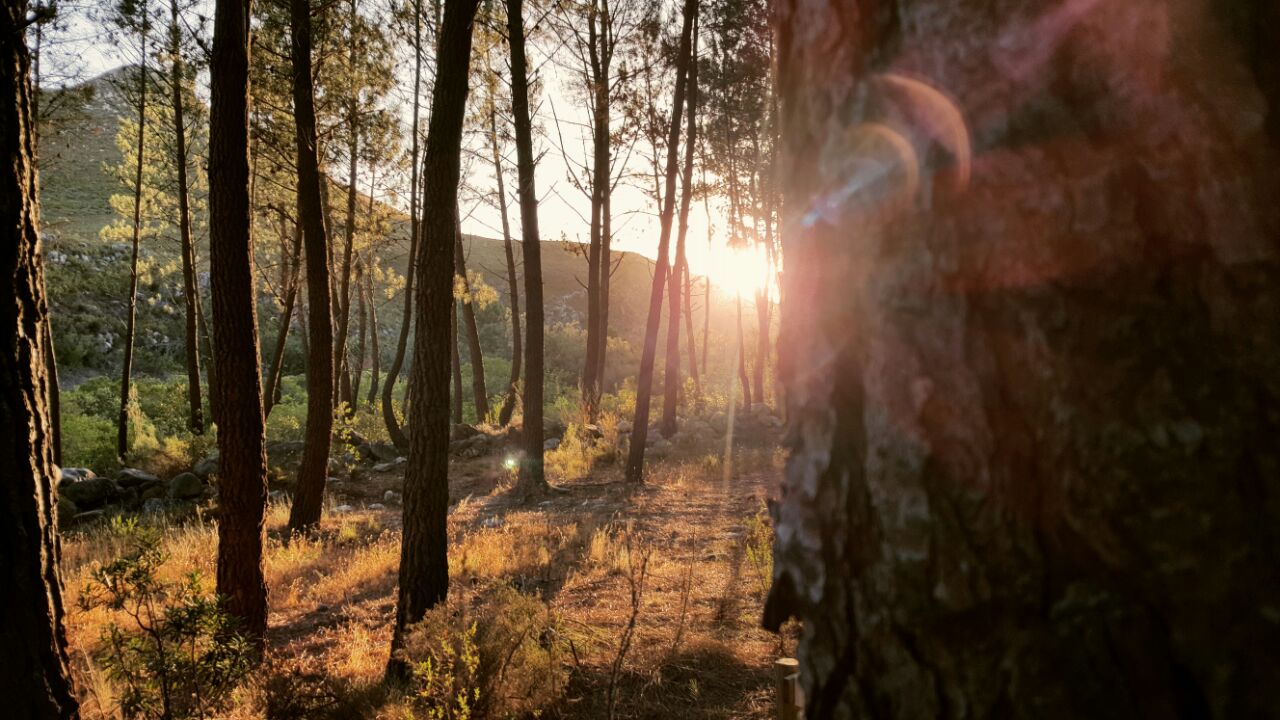
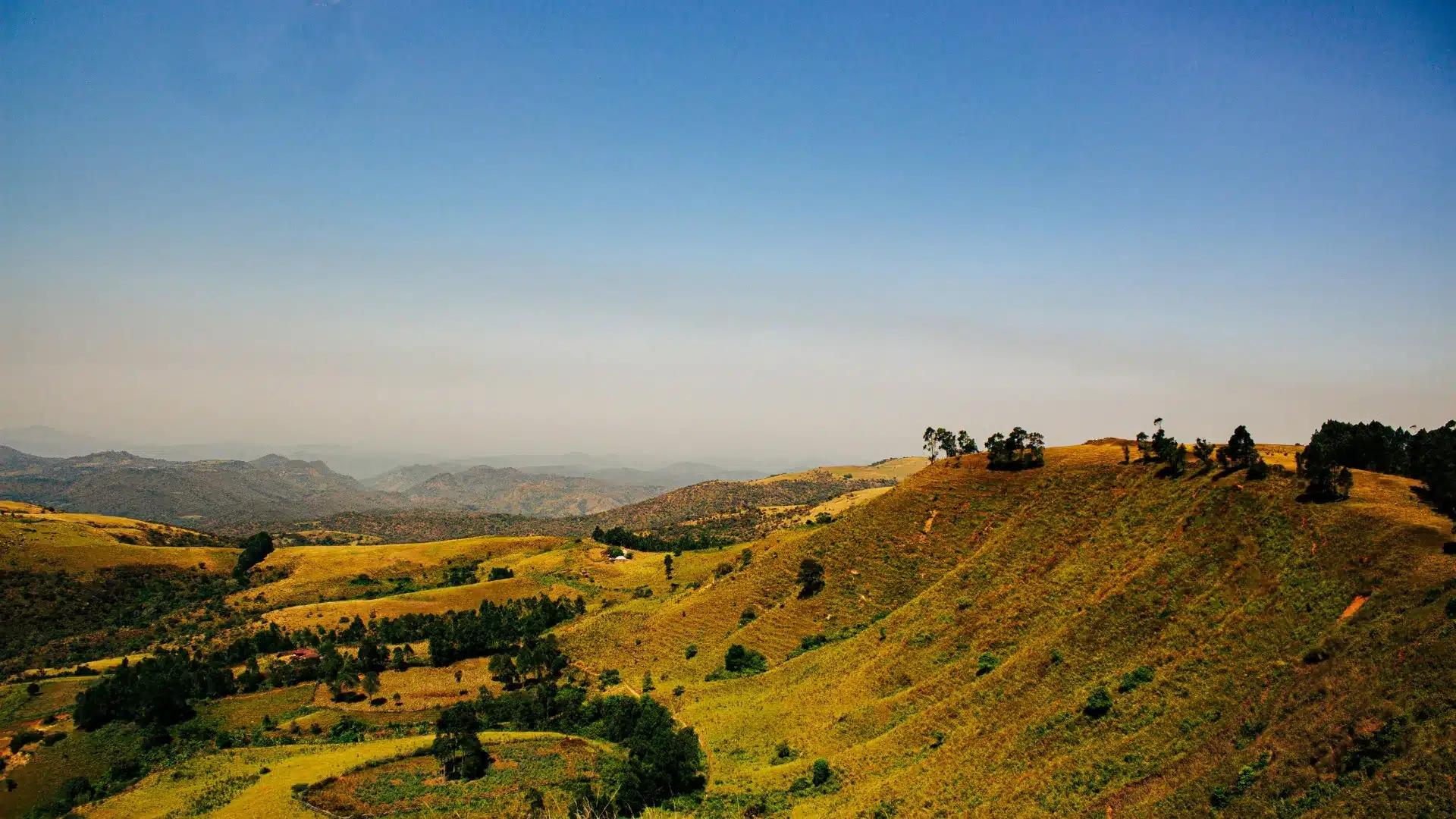
Ghana offers something rare in West Africa: political stability paired with genuine location diversity. Producers get coastal forts and colonial architecture in Cape Coast and Elmina, dense rainforest and canopy walkways in the Ashanti and Eastern regions, the wide savannah of the north around Tamale and Mole National Park, and the dense urban energy of Accra — all within a single country, with manageable drive times between most of them.
The coastal, forest and northern savannah looks are visually distinct from the East and Southern African footage that saturates the market, which is a real creative argument rather than a logistical one.
Add a rapidly professionalising local industry. Ghana’s own film sector has trained a generation of crew, actors and post-production talent who now work confidently on international sets, and the pool of experienced film fixers in Ghana has grown alongside it.
Where film fixers in Ghana base productions
- Accra — the hub. Crew across camera, grip, electric, art department and production support, plus rental houses covering most standard cinema packages, lighting and grip gear. Almost all film fixers in Ghana are based here.
- Cape Coast and Elmina — the castles, the coastline, and the heritage and diaspora story. UNESCO-listed sites with their own access conditions.
- Kumasi and the Ashanti Region — cultural capital, Asante heritage, markets and craft villages. Rainforest and canopy walkway access within reach.
- Volta Region — Lake Volta, waterfalls, hill country and fishing communities.
- Tamale and the north — savannah, mosques, and a landscape that reads nothing like the coast.
Working with film fixers in Ghana: at a glance
| Working language | English |
| Permit authority | National Film Authority (NFA), under Act 935 of 2016 |
| Permit lead time | Allow 3–6 weeks; longer for heritage and protected sites |
| Crew entry route | National e-Visa portal, live since 25 May 2026 |
| Work permits | Ghana Immigration Service and Ministry of Employment and Labour Relations |
| ATA Carnet | Not accepted — Ghana is not an ATA Carnet territory |
| Equipment clearance | Ghana Revenue Authority Customs Division via a local partner or broker |
| Drones | Ghana Civil Aviation Authority clearance, applied for locally |
| National rebate | Announced in 2024, not yet operational |
| Power | Reliable in Accra and Kumasi; generators standard elsewhere |
Permits: The National Film Authority Route
All film permits in Ghana are coordinated through the National Film Authority, established under the Development and Classification of Film Act, 2016 (Act 935) and sitting under the Ministry of Tourism, Culture and Creative Arts. The NFA runs two separate application tracks, and international productions need the foreign and co-production route rather than the local producers’ shooting permit — applying on the wrong track is a straightforward way to lose a week.
The NFA superseded the Cinematograph Exhibitions Board of Control as the regulator — a point worth stating plainly, because a number of guides claim it replaced the Ghana Film Industry Corporation. GFIC was a state production and distribution company, divested in the 1990s, and it is a different entity performing a different function.
Any production, local or foreign, needs NFA clearance before filming commercially, and it is the first thing film fixers in Ghana will start on. Foreign productions should expect additional requirements around work permits for cast and crew and, in most cases, a local production company or fixer relationship as the applying entity. This is the first practical reason film fixers in Ghana exist: the application is cleaner and faster when it comes from a registered local company that the Authority already deals with.
Standard documentation includes an introduction letter setting out the company, crew, shoot dates and locations, a project synopsis, and crew and equipment details. Film fixers in Ghana will normally assemble and submit this package on the production’s behalf.
Three practical points that decide whether the permit lands on time:
- Apply early. Processing is not instantaneous. Allow three to six weeks and treat anything faster as a bonus rather than a plan.
- Location-specific permissions sit on top of the NFA permit. National parks, government buildings and heritage sites each require separate sign-off, and specific locations can additionally require clearance from bodies such as the Ghana Police Service, the Ghana Civil Aviation Authority or the Ghana Ports and Harbours Authority, and heritage access at Cape Coast and Elmina is handled with particular care given what those sites are.
- Chieftaincy land is its own process. Substantial parts of Ghana sit under traditional authority rather than state administration. Filming there requires permission from the relevant chieftaincy, negotiated through the correct protocol. This is the single most common thing international producers do not know to plan for, and it is where local film fixers in Ghana are genuinely irreplaceable — the relationship cannot be built from abroad on a two-week lead time.
Crew Entry: Ghana’s e-Visa Replaced the Manual Process in May 2026
This is the newest thing on this page and the part most existing guides have not caught up with.
Ghana launched its national electronic visa portal on 25 May 2026, operated by the Ghana Immigration Service with the Ministry of Foreign Affairs.The platform replaced Ghana’s previous manual visa procedures with a fully digital process covering both single-entry and multiple-entry categories, with different processing speeds depending on your timeline. Any guide describing embassy paperwork or visa-on-arrival as the standard route is describing a system that has been superseded.
Alongside the launch, African passport holders travelling for tourism or business no longer pay visa fees. The exemption takes the form of a free electronic travel authorisation, and the distinction matters: African travellers are not exempt from the formalities, only from the cost. The online application and pre-departure screening remain mandatory, and crew who assume “visa-free” means turning up at the airport risk being denied boarding. Anyone advising you otherwise is not paying attention.
For crew from outside Africa, the e-Visa portal is now the route, and film fixers in Ghana should be confirming the current processing tiers at the point you book flights.
Separately from entry visas, foreign cast and crew undertaking paid filming work require work permits, coordinated through the Ghana Immigration Service and the Ministry of Employment and Labour Relations. Typical processing is three to six weeks depending on role and documentation, and requirements vary with duration and local skill availability. Productions must operate through a registered Ghanaian production company or service company — another structural function of film fixers in Ghana rather than an optional extra.
A yellow fever vaccination certificate is required, and passports should carry at least six months of remaining validity at entry.
Equipment and Customs: Ghana Is Not an ATA Carnet Country
Ghana does not participate in the ATA Carnet system. This trips up productions regularly because Ghana does appear on lists of countries accepting CPD carnets — carnets de passages en douane, which cover vehicles, not production equipment. They are different instruments and one does not substitute for the other.
Temporary importation of camera and lighting packages runs through the Ghana Revenue Authority Customs Division, coordinated through a local production partner or customs broker. Clearance is handled at the point of entry by your local partner or an appointed broker, and timing depends on shipment size and inspection requirements. You will need a detailed equipment list with serial numbers and declared values submitted in advance.
The practical approach most film fixers in Ghana will recommend is a local base package out of Accra supplemented by a short list of imported specialist items, rather than shipping a full kit. Freight and clearance are usually the largest avoidable line in a Ghana budget, and the rental market in Accra has improved enough to make that trade worthwhile on most jobs.
Drones: A Separate Authority and a Separate Timeline
Drone filming has its own clearance process through the Ghana Civil Aviation Authority, distinct from the NFA permit and running on its own timeline. Applications are handled locally by a licensed operator, and productions should assume aerial coverage is unconfirmed until the clearance is in hand.
Factor it into prep rather than treating it as a shooting-day question, and have a ground-based alternative in the shot list. Where the schedule genuinely depends on aerial work, the sensible route is a locally licensed operator with existing permissions, arranged by your film fixers in Ghana at the same time as the base permit rather than afterwards.
Crew, Equipment and Infrastructure
Accra is the hub, and it is where film fixers in Ghana draw the majority of their crew and kit. You will find local crew across camera, grip, electric, art department and production support, along with rental houses covering most standard cinema camera packages, lighting and grip gear.
For larger international productions it remains common to bring key department heads — DP, production designer, specialist equipment — from abroad while building the rest of the crew locally. This is both more cost-effective and actively encouraged by Ghanaian authorities, who treat local employment as part of what a foreign production contributes. Experienced film fixers in Ghana will structure the crew list with that expectation in mind, because it also reads well in a permit application.
Power and connectivity in Accra and Kumasi are reliable enough for most production needs. Generators remain standard practice for anything shooting outside the two main cities, and should be budgeted as a line item rather than held as contingency.
The shooting calendar splits cleanly. The dry seasons run November to March and July to August; it rains April to June and again September to November. Coastal areas are humid, the north is dry. Festival dates and public holidays affect access and crowd availability in both directions, and film fixers in Ghana will flag the ones that matter to your schedule.
Incentives: What Was Announced, and What Actually Exists
IIn February 2024, during a State of the Nation address, President Nana Akufo-Addo announced a 20% tax rebate for strategic film productions alongside financing reliefs including import duty exemptions on film production equipment and port taxes. It was described at the time as being elaborated by cabinet and due to be released.
As of August 2026, there is no operational national cash rebate or tax credit that an international production can budget against. The direction of travel is real and the announcement was genuine, but announced and operational are not the same thing, and a budget built on the former is a budget with a hole in it. Any film fixers in Ghana quoting you a live 20% rebate should be asked to produce the scheme documentation.
What does exist operates at the domestic level. The National Film Authority runs grant programmes aimed at Ghanaian projects — it awarded roughly US$96,000 across three film projects in 2024 — and its statutory objects under Act 935 include promoting and facilitating co-production between local and foreign producers.
That co-production mandate is the route worth understanding. A genuine co-production with a Ghanaian partner opens doors that a straight service shoot does not, and it pairs well with a treaty partner running a real incentive elsewhere. For a straightforward commercial, documentary or branded content shoot, model zero rebate and price Ghana on cost alone. It still competes, and the case should be made on the numbers rather than on a promised scheme.
Budget Planning: What to Cost Before You Commit
Ghana prices predictably once the regulatory items are pinned down. Get real numbers against the following:
- NFA permit fees, which vary by location, duration, public authority involvement and security requirements
- Location fees for heritage sites, national parks and government buildings
- Chieftaincy protocol where filming on traditional land
- Work permit costs and processing time for every foreign crew member
- Equipment clearance and freight, or the cost of a larger local package instead
- Drone clearance, and the ground-based alternative if it does not come through
- Generator hire and fuel outside Accra and Kumasi
- Local crew and supplier rates confirmed against your dates, not a rate card
- Vehicle movement between regions, which is where Ghana’s compactness pays off
- Fixer and local production management fees
Film fixers in Ghana should be able to price every line above from recent jobs rather than estimates. The favourable exchange rate means most major currencies go a long way. Locations, supporting crew and talent are inexpensive by world standards. The major costs are flying in equipment and key crew — which is precisely why the local-package decision is worth taking seriously.
What Film Fixers in Ghana Actually Do
Navigating permits, securing locations on chieftaincy or government land, coordinating work permits and clearing equipment all take local knowledge that is difficult to build from abroad. Several of those functions require a registered Ghanaian entity, which means film fixers in Ghana are structural to the process rather than a service upgrade.
A capable local partner handles the NFA application and authority liaison, location scouting and recces, chieftaincy and heritage-site negotiation, work permit and e-Visa support, customs coordination, crew and supplier sourcing, transport, accommodation, security planning and on-ground production management. Good film fixers in Ghana will also tell you when the answer is no — that a location will not clear in your window, or that a rebate you have been told about does not exist.
Atlas provides film fixers in Ghana covering the full production process, from permit coordination through to wrap. Where a project’s viability depends on financial recovery, our rebates and incentives team models the comparison across territories so the decision rests on real numbers rather than announcements. You can see the range of work we support in our portfolio, and hear directly from productions we have delivered for on our clients page.
The value of experienced film fixers in Ghana shows up in the parts of a schedule nobody plans for: the heritage site that needs a different level of approval than expected, the chieftaincy meeting that has to happen before the recce, the equipment item held at Kotoka while the shoot burns a day.
Frequently Asked Questions
What do film fixers in Ghana actually do?
Film fixers in Ghana act as the registered local entity behind your production. They submit the National Film Authority permit application, coordinate location and heritage-site permissions, negotiate chieftaincy access where filming on traditional land, support work permit and e-Visa processing, coordinate equipment customs clearance, and source crew, transport and accommodation. Several of these functions require a Ghanaian company and cannot be handled directly by a foreign producer.
Do you need a permit to film in Ghana?
Yes. All commercial filming requires clearance from the National Film Authority, established under the Development and Classification of Film Act, 2016. Location-specific permissions for national parks, government buildings, heritage sites and chieftaincy land sit on top of that permit and are obtained separately.
How long does a Ghana filming permit take?
Allow three to six weeks. Processing times vary with location, duration, the authorities involved and any security requirements. Heritage sites and protected areas take longer. Building a buffer is more reliable than expediting.
Does Ghana offer a film rebate or tax incentive?
Not operationally. A 20% tax rebate for strategic film productions was announced in February 2024 alongside import duty exemptions, but as of August 2026 there is no live scheme an international production can budget against. The National Film Authority runs grant programmes for Ghanaian projects and holds a co-production mandate under Act 935. Model zero rebate and price Ghana on cost base.
Is Ghana an ATA Carnet country?
No. Ghana does not accept ATA Carnets for production equipment. Ghana does appear on lists for CPD carnets, which cover vehicles and are a different instrument entirely. Temporary importation runs through the Ghana Revenue Authority Customs Division, coordinated by a local partner or customs broker.
What visa do international crews need for Ghana?
Ghana launched its national e-Visa portal on 25 May 2026, replacing the previous manual process. Applications are made online before departure through the Ghana Immigration Service platform. African passport holders travelling for tourism or business no longer pay a visa fee but must still apply and pass pre-departure screening. Paid filming work additionally requires a work permit through the Ghana Immigration Service and the Ministry of Employment and Labour Relations.
Can international productions fly drones in Ghana?
Drone operations require clearance from the Ghana Civil Aviation Authority, obtained separately from the National Film Authority permit and on its own timeline. Applications are handled locally. Treat aerial coverage as unconfirmed until clearance is in hand and design a ground-based alternative into the shot list.
Do you need permission from traditional authorities to film in Ghana?
Often, yes. Significant areas sit under chieftaincy rather than state administration, and filming there requires permission from the relevant traditional authority through the correct protocol. This runs in parallel with the NFA permit and is one of the main reasons a local partner is necessary rather than convenient.
When is the best time to film in Ghana?
The dry seasons run November to March and July to August. Rain falls April to June and again September to November. Coastal regions are humid, the north is dry. Festival dates and public holidays affect both access and crowd availability, so check them against your schedule at prep.
How much do film fixers in Ghana cost?
Fees are quoted against the brief rather than from a rate card, and vary with shoot length, crew size and how many regions the schedule covers. Ask for the fixer’s own fee to be separated from pass-through costs such as permits, location fees and customs clearance in writing, so you can see what you are actually paying for.
How much does a Ghana shoot cost?
The exchange rate works in a foreign production’s favour, and locations, supporting crew and talent are inexpensive by international standards. The significant costs are flying in equipment and key crew, which is why a larger local package out of Accra is usually worth pricing. Permit fees vary by location and duration rather than following a fixed national schedule.
Planning a Shoot in Ghana
Ghana rewards productions that front-load their prep, which is the main thing good film fixers in Ghana are for. The permit system is centralised, the language is English, the politics are stable and the locations are genuinely distinct from the footage saturating the market. What it asks in return is that the approvals — NFA permit, location permissions, chieftaincy protocol, work permits, e-Visas, customs, drone clearance — are treated as the schedule rather than as paperwork attached to it.
Price it on cost base, not on an incentive that has not landed. Build three to six weeks of permit runway. Decide the local-versus-imported equipment question early, because it moves the budget more than anything else on the list.
If Ghana is on your shortlist, get in touch and we will tell you what is realistic for your timeline and budget — and put experienced film fixers in Ghana on the ground to deliver it.