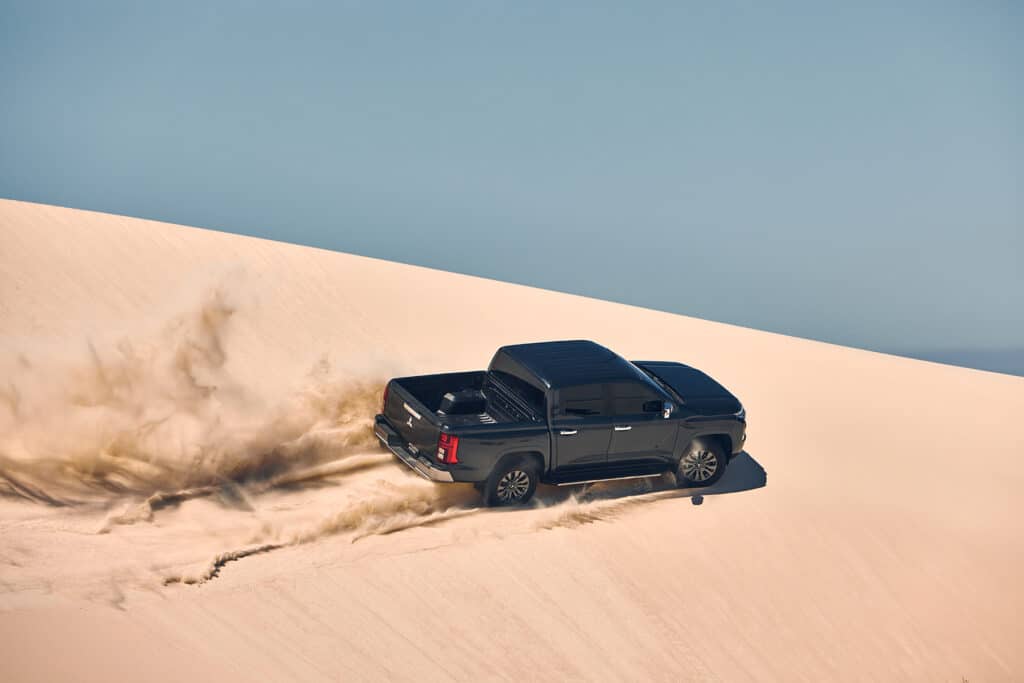
Africa is not one filming destination — it’s more than fifty of them, each with its own permits, incentives, crews and creative texture. From Cape Town’s studio infrastructure to the red dunes of Morocco’s Ouarzazate, the wetlands of Senegal’s Sine-Saloum Delta and the wildlife plains of East Africa, the continent has become one of the world’s most in-demand — and most misunderstood — production regions.
This guide breaks down everything a producer, line producer, or production coordinator needs to know before filming in Africa: permits, visas, crew, equipment, tax rebates, security, and how local fixers keep a shoot on schedule and on budget.
Why Productions Are Choosing to Film in Africa
International productions are shifting budgets toward Africa for a few consistent reasons:
- Location diversity. A single country can double for deserts, coastlines, mountains, tropical forest, and modern cityscapes — Morocco alone has stood in for the Middle East, ancient Rome and fictional galaxies far, far away.
- Cost efficiency. Day rates for crew, vehicles, and locations are frequently a fraction of European or North American equivalents, without a proportional drop in skill or equipment quality.
- Maturing incentive programs. Several countries now offer meaningful cash rebates on qualifying local spend, and more are formalizing schemes each year.
- Deep, experienced crew bases. South Africa’s industry dates back decades; Nigeria’s Nollywood alone produces roughly 2,500 films a year, giving productions access to large, English-speaking crew pools.
- Growing government support. Film commissions in Morocco, South Africa, Kenya, Nigeria and Senegal increasingly compete for international shoots with streamlined permitting and dedicated production offices.
Country-by-Country Snapshot: Where Productions Are Filming
| Country | Standout Locations | Filming Permit Authority | Typical Cash Rebate | Notes |
|---|---|---|---|---|
| South Africa | Cape Town, Kruger, Winelands, KwaZulu-Natal | Provincial film commissions (Gauteng, KZN, Cape Town) + NFVF | ~25–35% of qualifying local spend (subject to payment-processing delays) | Africa’s oldest film industry; deep infrastructure and crew depth |
| Morocco | Ouarzazate, Marrakech, Sahara, Casablanca | Centre Cinématographique Marocain (CCM) | ~30% uncapped, on qualifying spend | Minimum spend and shoot-day thresholds apply; fast, single-window permitting |
| Nigeria | Lagos, Abuja, savannah, waterfalls | Lagos State Film and Video Censors Board / Nigerian Film Corporation | No confirmed national rebate yet (one is in development) | Massive Nollywood crew base; strong value for scale and variety |
| Kenya | Maasai Mara, Nairobi, Lake Victoria | Kenya Film Commission | Varies by project type | Wildlife and landscape specialist; strong safari-production infrastructure |
| Senegal | Dakar, Lac Rose, Sine-Saloum Delta, Île de Gorée | National authorisation + site-specific permits | No national rebate currently | Politically stable, ATA Carnet member, strong cultural heritage locations |
| Tanzania / East Africa | Serengeti, Bwindi (Uganda), Rwanda | National park authorities (e.g. TANAPA) + national film offices | Varies | Strict wildlife-protection rules; drone use is tightly regulated |
(Figures are indicative and change with policy updates — always confirm current rates and thresholds with the relevant film commission or a local fixer before locking a budget.)
Filming Permits: What to Expect
Almost every African country requires a permit for commercial, documentary, or narrative filming — including in public streets, parks, and government-owned buildings. The general process looks similar across the continent, even though the agency and paperwork differ:
- Submit an application to the relevant national or provincial film commission, typically including a synopsis, shoot dates, crew list, and equipment manifest.
- Specify locations, including any protected areas, heritage sites, or government property, which usually require additional sign-off.
- Allow lead time. Most straightforward permits take 5–14 working days; protected areas, drone permits, and multi-agency approvals can take considerably longer.
- Budget for fees, which vary by location type, crew size, and whether the shoot is commercial, editorial, or non-profit/educational.
- Renew or amend if the shoot schedule shifts — permits are usually tied to specific dates and locations, not open-ended.
Working with a national or provincial film commission directly is possible for straightforward shoots, but productions with multiple locations, drone units, or protected-area access typically bring in a local fixer to manage the paperwork trail.
Visas and Work Authorization
Visa requirements vary widely:
- Some countries allow filming on a standard business or tourist visa for short editorial shoots.
- Commercial productions with paid local hires typically require a business visa or work permit for foreign crew, arranged in parallel with the filming permit.
- Processing times should be built into pre-production — in several markets, visa approval is the longest lead item on the schedule, not the filming permit itself.
Always confirm visa categories per nationality, since bilateral agreements change entry requirements between specific countries.
Film Tax Incentives and Rebates: What’s Actually Available in 2026
Incentive programs are one of the biggest differentiators between African filming destinations, and they change often enough that producers should verify rates before locking a budget rather than relying on last year’s numbers.
- Morocco currently offers one of the most competitive schemes on the continent: an uncapped cash rebate around 30% of qualifying local spend, provided the production meets a minimum spend threshold and a minimum number of shooting days, with expenses processed through a local special-purpose account.
- South Africa’s Foreign Film and Television Production Incentive offers a rebate in the region of 25–35%, with additional bonus percentages tied to South African post-production spend and to hiring and procurement from Black-owned South African entities. The scheme has a strong track record but has recently experienced processing delays, so productions should build a payment-timeline buffer into their financing.
- Nigeria does not yet have a confirmed, fully operational national rebate, though a formal incentive scheme and co-production treaties have been publicly discussed as part of a broader industry push — treat any Nigerian incentive as a bonus to confirm, not a line to bank on, until it is formally legislated.
- Senegal and much of East Africa currently compete on location value, crew cost, and cultural access rather than cash rebates, so the financial case there rests more on overall day-rate savings than a formal incentive.
Because rebate rules involve minimum spend thresholds, eligible expense categories, local special-purpose vehicles, and B-BBEE or local-ownership procurement targets in some countries, most productions engage a local fixer or incentive specialist to structure the budget correctly from pre-production onward, rather than trying to claim a rebate retroactively.
Crew and Local Hiring
Local hiring isn’t just a compliance box to tick — it materially affects budget, quality, and how smoothly a shoot runs.
- Filming in Africa – South Africa and Nigeria have the deepest, most internationally experienced crew bases on the continent, covering everything from camera and lighting to specialist post-production.
- Morocco has decades of experience servicing major international features, with region-specific crew bases (Casablanca crews differ from Ouarzazate crews, for instance).
- Kenya, Senegal, and Tanzania offer smaller but capable crew pools, often specialized in wildlife, documentary, or commercial work.
- Many incentive schemes require or reward a minimum percentage of local crew and local procurement, so hiring locally can directly increase your rebate eligibility, not just reduce your day rates.
Equipment, Customs, and ATA Carnets for filming in Africa
Bringing camera and lighting equipment across African borders is manageable with the right paperwork, but it catches unprepared productions out more than almost any other line item.
- ATA Carnets allow temporary duty-free import and export of production equipment and are the standard mechanism in countries that participate in the system (Senegal and Morocco, for example, are ATA Carnet countries).
- Not every country participates — Nigeria, notably, is outside the ATA Carnet system, which changes how equipment clearance needs to be planned.
- Drone equipment typically needs separate registration, insurance, and flight approval — rules are especially strict in national parks and near government or military sites.
- Always confirm the current customs process per country before shipping gear; rules and required documentation shift periodically.
Security, Insurance, and Risk Planning
Every production should budget for:
- Location-specific risk assessment, especially for remote, coastal, wildlife, or border-adjacent shoots.
- Local security coordination, arranged through a fixer with on-the-ground relationships rather than an unfamiliar third party.
- Production insurance that explicitly covers the country and activity type (including drone operations and wildlife proximity where relevant).
- Contingency time in the schedule for weather, permit delays, or equipment clearance — African shoots that build in buffer days consistently run smoother than those that don’t.
Drone Filming Regulations
Drone rules vary sharply by country and location type:
- National parks and protected wildlife areas often restrict drone flights entirely unless specifically approved, with registered and insured drones only.
- Urban and government areas frequently require separate aviation-authority sign-off in addition to the standard filming permit.
- Drone approval timelines should be planned well ahead of the shoot date — this is rarely a same-week approval.
Budgeting for an African Shoot: Key Line Items
When building a below-the-line budget for filming in Africa, plan for:
- Filming permit and location fees (varies by country and site type)
- Visa and work-permit processing for foreign crew
- Local crew day rates and per diems
- Equipment rental or carnet/customs clearance costs
- Local fixer, line producer, and location manager fees
- Security, insurance, and contingency
- Rebate/incentive administration (often handled by a specialist on a success-fee or flat-fee basis)
Why Productions Work With a Local Fixer
Given how much of the above varies by country — and how often the details change — most international productions filming in Africa choose to work with an established local fixer rather than navigating permits, customs, and incentive applications independently.
Atlas Film Fixers provides end-to-end production support across the African continent, including permit applications, visa support, crew and location sourcing, equipment and customs coordination, security logistics, and tax rebate and incentive navigation. With local production offices across the regions it operates in, the team handles the on-the-ground detail so producers can focus on the creative work — from the first recce to final wrap.
If you’re planning a shoot and want country-specific guidance on permits, incentives, or crew, get in touch with Atlas Film Fixers to start scoping your production.
Frequently Asked Questions
Which African country has the best film tax rebate? Morocco currently offers one of the highest uncapped rebates on the continent, at around 30% of qualifying local spend, subject to minimum spend and shoot-day thresholds. South Africa offers a competing rebate in the 25–35% range depending on production type and local procurement, though recent payment cycles have seen processing delays.
Do I need a permit to film in Africa? Yes, in almost every case. Commercial, documentary, and narrative productions typically need a permit from a national or regional film commission, with additional approvals for protected areas, heritage sites, or government property.
How long does it take to get a filming permit in Africa? Most straightforward permits take 5–14 working days. Protected areas, drone approvals, and multi-agency processes can take considerably longer, so build lead time into pre-production.
Do I need a local fixer to film in Africa? It isn’t always a strict legal requirement, but it’s strongly recommended. A fixer manages permits, customs, crew, location access, and rebate applications — reducing delays and compliance risk significantly.
Can I bring my own camera equipment into African countries? In most cases, yes, typically via an ATA Carnet for temporary duty-free import. Not every country is part of the ATA Carnet system (Nigeria is a notable exception), so confirm the customs process per country well ahead of shipping gear.
This guide reflects publicly available information on permits, incentives, and regulations as of September 2026. Rates, thresholds, and processes are set by national authorities and change without notice — always confirm current requirements with the relevant film commission or a local production partner before finalizing a budget or schedule.