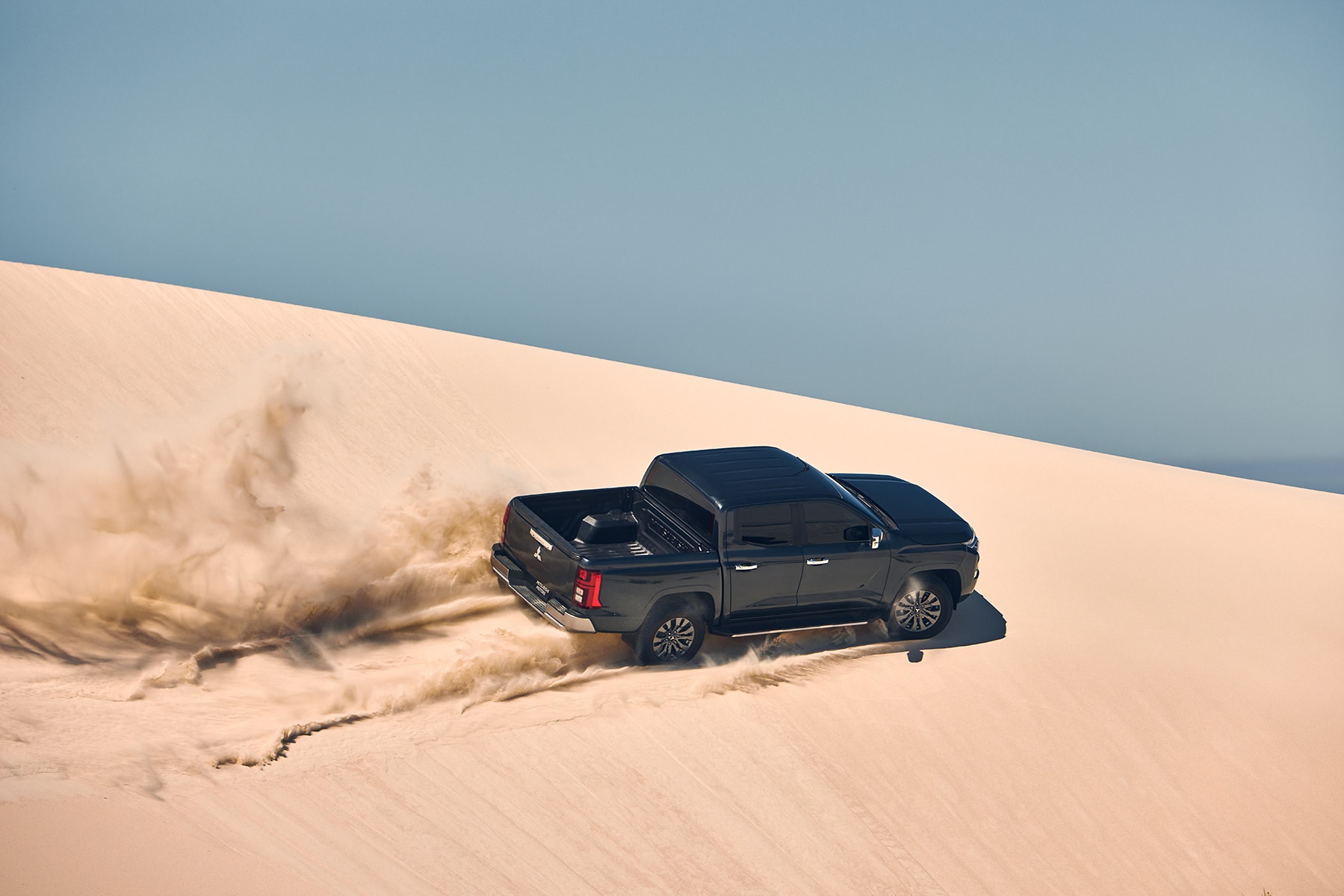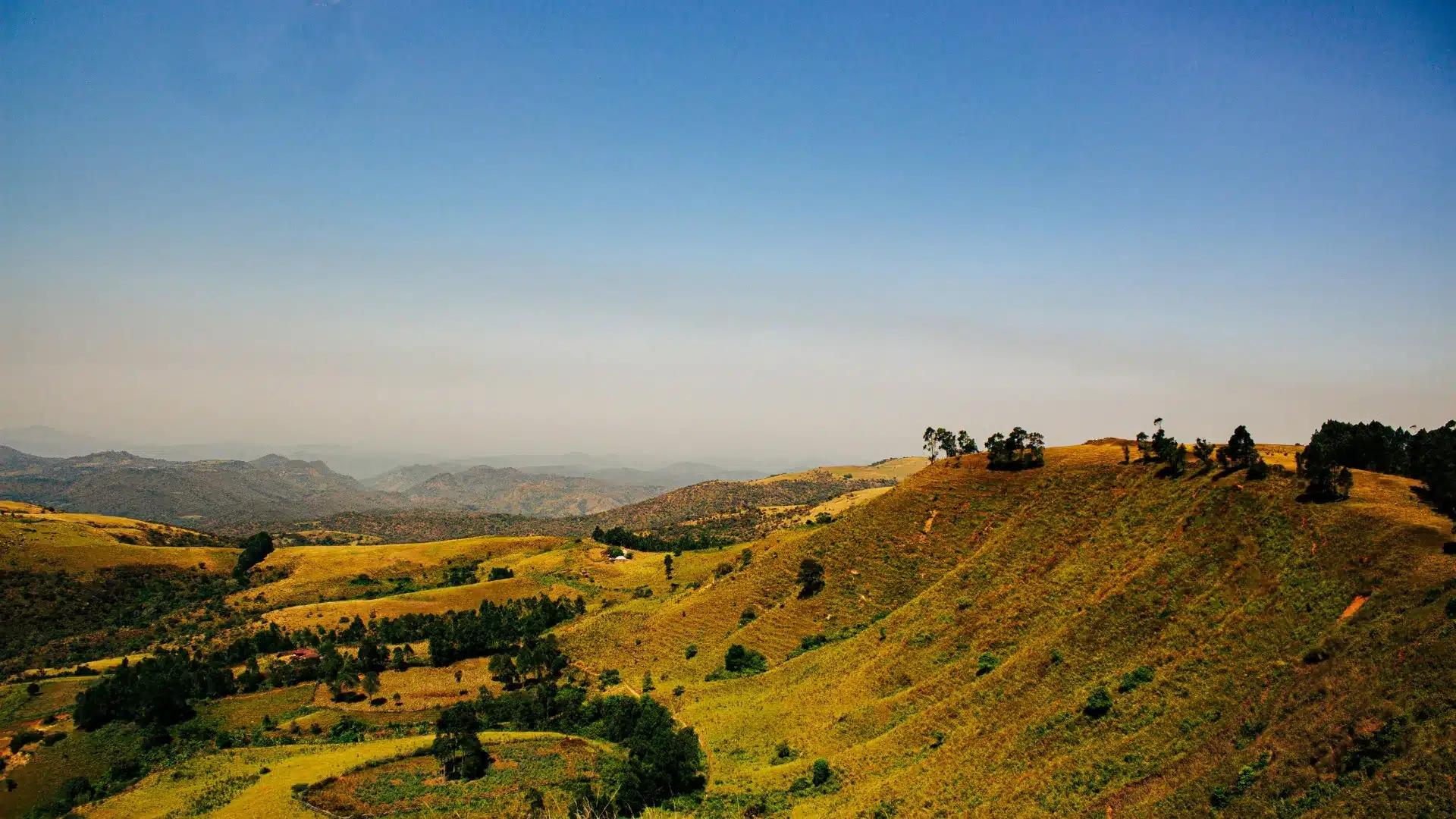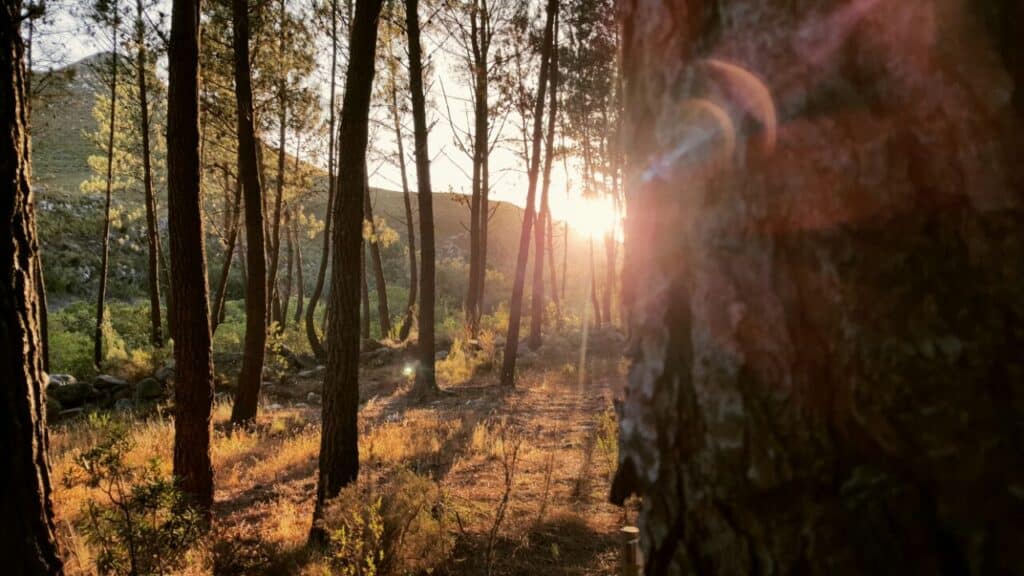
Africa offers something almost no other continent can match: seven time zones of desert, savannah, rainforest, coastline and megacity, world-class crews in several countries, and some of the most competitive rebates in the global production landscape. It’s no surprise that filming in Africa has become a serious line item on the location scout’s shortlist for features, commercials, documentaries and reality TV alike.
The catch is that “Africa” isn’t one market. It’s 54 countries, each with its own permit system, incentive scheme, crew base and logistics reality. Productions that treat filming in Africa like a single, uniform destination usually run into the same problems: permit delays, budget overruns, and locations that looked perfect on a location-scouting website but weren’t actually shoot-ready.
This guide breaks down what you actually need to know before filming in Africa in 2026 — the best countries, the permit and visa process, the incentives on the table, and why almost every successful production works with a local film fixer rather than going it alone.
Table of Contents
What Makes Filming in Africa So Attractive Right Now
Three things are driving the surge in international productions filming in Africa: locations, cost, and incentives.
On locations, few continents offer this much doubling potential. Cape Town alone can stand in for Los Angeles, the Mediterranean or Australia, while a single country like South Africa can deliver savannah, desert, mountains, wine country and a modern skyline within a few hours’ drive.
On cost, currency exchange rates across much of the continent mean international budgets stretch further than in the US, UK or Western Europe, without sacrificing crew quality in the established hubs.
On incentives, several African governments have sharpened their rebate schemes specifically to compete for foreign productions — more on the numbers below. Put together, filming in Africa in 2026 is less a niche choice and more a mainstream one for producers who used to default to the same handful of familiar backlots.
7 Top Countries for Filming in Africa in 2026
Here’s where international productions are actually shooting right now, and what each destination is best known for.
1. South Africa — the most complete production base
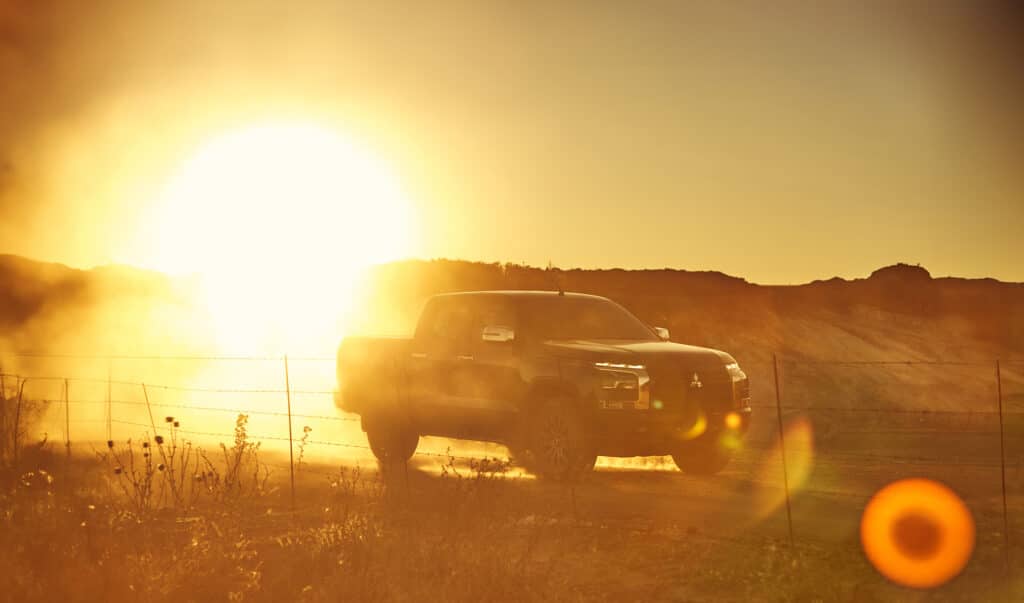
South Africa remains the benchmark for filming in Africa. Cape Town and Johannesburg have purpose-built studios, deep crew rosters, and equipment houses stocked to the same standard as London or Los Angeles. The Western Cape delivers coastline, winelands, desert (the Karoo) and mountains within a short drive, while KwaZulu-Natal adds tropical jungle and Zulu heritage locations.
South Africa’s official Film & TV Production Incentive — https://www.thedtic.gov.za/financial-and-non-financial-support/incentives/film-incentive/south-african-film-and-television-production-incentive-3/
2. Morocco — the desert double for the world

Morocco has become one of Africa’s most shoot-ready destinations, recently spotlighted as the European Film Market’s Country in Focus at Berlinale 2026. Ouarzazate and Aït-Ben-Haddou have hosted everything from Game of Thrones to Mission: Impossible, thanks to a skilled crew base and a rebate that’s now uncapped per project.
3. Mauritius — tropical locations with the strongest rebate on the continent
Mauritius pairs tropical beaches, colonial architecture and volcanic landscapes with a rebate that can reach up to 40% of qualifying local spend — one of the most competitive incentive rates anywhere in the world, not just in Africa.
Mauritius Film Rebate Scheme, Mauritius Chamber of Commerce — https://www.mcci.org/en/inside-mauritius/incentives-schemes/film-rebate-scheme/
4. Kenya — East Africa’s wildlife and landscape hub
Kenya delivers the savannah imagery most people picture when they think of filming in Africa: the Maasai Mara, the Great Rift Valley, and Nairobi as a genuine urban production base with an established local crew.
5. Tanzania & Zanzibar — safari, beach and island in one shoot
Tanzania combines Serengeti wildlife with the white beaches and Stone Town architecture of Zanzibar, giving productions safari and island imagery without changing countries.
6. Nigeria — scale, energy and Nollywood’s crew depth
Home to Nollywood, one of the largest film industries on earth by volume, Nigeria offers an experienced, English-speaking crew base and location variety from the Lagos megacity to rainforest and highlands around Calabar and Obudu.
7. Senegal — West Africa’s stable, cinematic base
Senegal gives productions Dakar’s energy, the colonial streets of Saint-Louis, the pink waters of Lac Rose and a French-speaking crew base, all inside one of West Africa’s most politically stable countries.
[Insert image here — alt text: “film fixers in Africa scouting a savannah location”]
Film Permits and Regulations When Filming in Africa
Every country handles permits differently, but a few patterns hold true almost everywhere on the continent:
- National film permits are mandatory for foreign crews, usually issued by a national film commission or a ministry of information/culture.
- Location-specific permissions stack on top of the national permit — provincial film offices in South Africa, municipal sign-off in major cities, and separate approvals for protected areas, heritage sites or military-adjacent zones.
- Crew and cast visas need to be filed in parallel with permits, and timelines vary widely — some countries process in days, others in weeks.
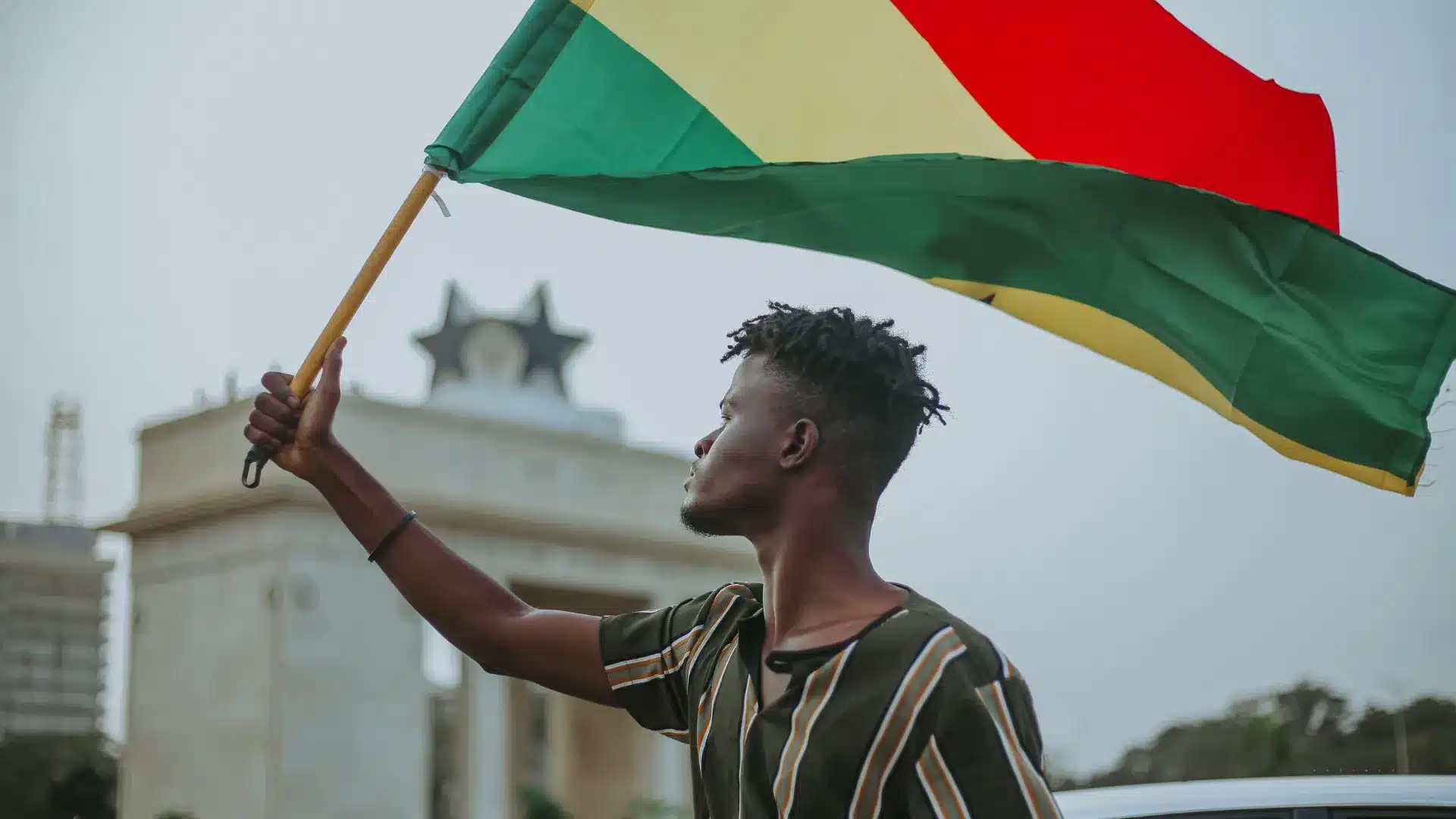
- Ghana, for example, requires foreign nationals working on a production to hold a specific Film Work Permit before shooting begins.
Because each country’s process is different and can change year to year, most producers don’t attempt to navigate filming in Africa’s permit landscape alone — they hand it to a local fixer who already has the relationships and knows the current timelines.
Film Incentives and Rebates Across Africa
Incentives are one of the biggest reasons filming in Africa has become so competitive against Europe, North America and Asia. Rates and conditions shift, so always confirm current terms before budgeting — but as of 2026, the headline numbers are:
- South Africa: The dtic’s Foreign Film and Television Production Incentive rebates a significant percentage of qualifying South African production expenditure, with an additional uplift available for productions that meet local hiring and post-production targets. Minimum spend thresholds apply.
- Morocco: A 30% cash rebate on eligible spend, now uncapped per project, with a minimum local spend of roughly $1 million and an 18-working-day local shoot requirement.
- Mauritius: Up to 40% rebate on qualifying local production expenditure for feature productions, alongside a 30% refund available more broadly — among the most attractive rebate structures on the continent.
Every scheme has its own qualifying spend thresholds, caps, and paperwork — and government schemes can and do change their approval processes and backlogs from year to year. Getting the incentive math right before you commit to a location is exactly the kind of work a production support partner should be doing for you, not after wrap.
Crew, Equipment and Logistics for Filming in Africa
Crew depth varies enormously by country. South Africa and, increasingly, Nigeria and Morocco can staff a production almost entirely locally, camera package included. Smaller markets like Senegal or Tanzania have strong core crews but may need specialist heads of department flown in from a regional hub.
Logistics planning should account for:
- Domestic transport — some countries rely on well-connected domestic flights between hubs, others need long road moves between locations.
- Equipment sourcing — established hubs stock cinema camera packages and lighting to international standard; more remote locations may require freighting gear in, which has its own customs process.
- Accommodation and catering for cast and crew, especially in more remote locations away from major cities.
- Security planning, which should be location-specific rather than assumed — some regions are entirely production-friendly, others require a proper risk assessment before scheduling.
Why You Need a Local Fixer for Filming in Africa
A film fixer is the single biggest variable in whether filming in Africa runs smoothly or turns into a string of costly delays. A good fixer brings:
- Local knowledge of which locations actually work for camera, versus which only look good on a map.
- Established relationships with film commissions, permit offices, unions and vendors — the difference between a permit taking days versus weeks.
- Incentive and tax expertise, so your production actually captures the rebate it’s entitled to instead of missing a filing deadline.
- On-the-ground problem solving when weather, access or last-minute changes threaten the schedule.
In short: filming in Africa without a local fixer means relearning, on your own, everything a fixer already knows — usually on your budget and your timeline.
How Atlas Film Fixers Supports Your Production
With over two decades of experience, Atlas Film Fixers provides end-to-end production support for international productions filming in Africa — from Mauritius and South Africa to Senegal and beyond. Our team manages:
- Recce trips, location scouting and evaluation
- Film permits and municipal/national approvals
- Cast and crew visa support
- Film rebates and tax incentive applications
- Casting, crew, transport, accommodation and catering
- Full local production support in destinations including South Africa and Senegal
[Insert image here — alt text: “Atlas Film Fixers production support team in Mauritius”] — or embed a showreel from your YouTube channel here to satisfy the “add a video” readability check.
Whether you’re shooting a commercial in Cape Town, a documentary in the Serengeti, or a feature across three African countries, Atlas Film Fixers is the local partner that makes filming in Africa simple, cost-effective and on schedule.
Ready to start planning your shoot? 📧 nicole@atlasfilmfixers.com 🌍 atlasfilmfixers.com
FAQs About Filming in Africa
Which African country is easiest for foreign productions to film in? South Africa is generally considered the most straightforward, thanks to established studios, a deep crew base and a well-understood permit process — though it isn’t necessarily the cheapest once rebate backlogs and minimum spend thresholds are factored in.
Do I need a local fixer to get a film permit in Africa? It isn’t always a legal requirement, but in practice almost every successful international production filming in Africa works with a local fixer, since permit processes, timelines and required paperwork vary by country and change frequently.
Which African country has the best film rebate? Mauritius currently offers one of the highest rebate rates on the continent, up to 40% of qualifying local spend for feature productions, alongside strong schemes in Morocco and South Africa.
How far in advance should I plan a shoot filming in Africa? Most permit and incentive applications need to be filed weeks to months ahead of principal photography, so early engagement with a local fixer is one of the biggest factors in staying on schedule.
Have a project in mind? Get in touch with Atlas Film Fixers at nicole@atlasfilmfixers.com or visit atlasfilmfixers.com to start planning your production.